



GPS Tracker Battery Life: What to Expect
Share
GPS Tracker Battery Life: What to Expect
If you are shopping for a vehicle or asset tracker, GPS tracker battery life is probably the first spec you compare — and the most misunderstood. One listing promises “up to 6 months on a single charge” while another quotes just a few days, and both can be telling the truth. The difference comes down to battery size, how often the device reports its location, and whether it is powered by your vehicle or running on its own cell. This guide breaks down how long a GPS tracker battery actually lasts, what quietly drains it, and how to pick a long battery life GPS tracker that matches how you plan to use it.
How long does a GPS tracker battery last?
There is no single number, because “GPS tracker” covers very different designs. In broad terms, here is what to expect:
- Hardwired and OBD trackers: Effectively unlimited runtime. They draw power directly from the vehicle’s battery or OBD-II port, so there is nothing to recharge. A small internal backup cell keeps them alive for a few hours if the main power is cut.
- Rechargeable battery trackers (compact, magnetic, portable): Anywhere from 3–5 days of heavy real-time use to 3–6 months in low-frequency or standby mode. Larger units with 5,000–10,000 mAh batteries sit at the long end.
- Ultra-long-life standby trackers: Some asset trackers with very large batteries and infrequent reporting are rated for 1–3 years, but they typically “wake up” only once or twice a day.
So when a product says “6 months,” always ask: at what reporting interval? A tracker updating once a day will last far longer than the same device pinging every 10 seconds.
What drains a GPS tracker battery the fastest
Understanding the drains helps you set realistic expectations and stretch runtime.
Reporting frequency
This is the single biggest factor. A tracker that reports its position every 10 seconds is waking the GPS and cellular modem constantly, burning through charge in days. Increase the interval to every few minutes — or only when the vehicle is moving — and the same battery can last weeks.
Real-time vs passive tracking
Live, real-time trackers keep a cellular connection open to stream location to an app, which is power-hungry. Passive loggers that store data and sync later use far less energy. If you need live tracking, plan for more frequent charging or a hardwired setup.
Signal strength and temperature
In areas with weak cellular or GPS coverage, the modem works harder to hold a connection, draining the battery faster. Extreme heat and cold also reduce lithium battery capacity, so a tracker left on a dashboard in an Indian summer will underperform its rated life.
Motion and alerts
Features like geofencing, movement alerts, and vibration detection all add small, steady loads. Handy features — but every extra sensor has a cost.
Rechargeable vs hardwired: which battery approach suits you?
Choosing the right power style usually solves the battery-life question before it starts.
A rechargeable GPS tracker is portable and quick to set up — you can move it between vehicles, hide it in an asset, or slap a magnetic unit under a chassis. The trade-off is that you have to remember to recharge it, and heavy real-time use means frequent top-ups.
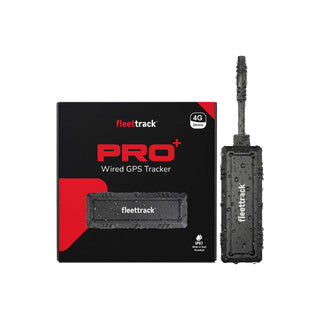
A hardwired GPS tracker (or an OBD plug-in) never needs charging because it runs off the vehicle. For cars, fleets, trucks, and anything driven regularly, this is almost always the better long-term choice. You get continuous tracking, no dead-battery gaps, and a backup cell for tamper protection.
A simple rule of thumb: if the tracked object has its own power source, hardwire it. If it does not — a trailer, container, valuable asset, or a car you are discreetly monitoring — a long battery life GPS tracker on its own cell is the way to go.
How to get the most out of your GPS tracker battery
You can meaningfully extend runtime with a few settings tweaks:
- Lengthen the reporting interval. Do you really need updates every 10 seconds, or is every 1–2 minutes enough? This one change can multiply battery life.
- Use motion-based reporting. Let the tracker sleep when the vehicle is parked and wake only when it moves.
- Turn off non-essential alerts. Keep the geofence you need; disable sensors you never check.
- Keep it out of extreme heat. Mount it where it is shielded from direct sun when possible.
- Charge fully before deployment. Lithium cells give their rated life only from a proper full charge.
Frequently asked questions
How long does a GPS tracker battery last on a single charge?
It depends on the model and settings. Compact rechargeable trackers in constant real-time mode typically last 3–7 days, while larger units in low-frequency or standby mode can run for several weeks to a few months. Hardwired and OBD trackers run indefinitely because they draw power from the vehicle.
Do GPS trackers work when the battery dies?
No. Once a battery-powered tracker runs out of charge, it stops reporting until you recharge it. This is why hardwired trackers are preferred for vehicles that are driven regularly — they stay powered continuously and usually include a small backup battery for tamper alerts.
Can I leave a GPS tracker plugged in all the time?
Yes. Hardwired and OBD-II trackers are designed to stay connected permanently. Quality trackers include low-voltage protection so they will not drain your car battery when the vehicle sits unused for a while.
Find a tracker with the battery life you need
The right GPS tracker battery life is the one that matches your routine — long-standby for assets you check occasionally, or a hardwired unit for a car or fleet you want to watch around the clock. Browse Fleettrack’s range of GPS trackers and dash cams to compare battery options, real-time features, and pricing for Indian roads, and pick the tracker that fits how you drive.