



GPS Trackers for Motorcycles: The 2026 Rider's Guide to Beating Theft
Share
A motorcycle is one of the easiest vehicles to steal and one of the hardest to recover — which is exactly why a GPS tracker for motorcycles has become essential kit for riders across India. Unlike a car, your bike can be lifted into a tempo in under a minute, and a steering lock or disc lock only slows a determined thief down. A good tracker does something a lock never can: it tells you where your bike is right now, so you (and the police) can actually get it back.
In this guide we'll cover how motorcycle GPS tracking works, the features that actually matter, where to hide the device, and how to choose the right one for your ride.
Why every rider needs a GPS tracker for motorcycles
Bike theft is a numbers game for criminals — low risk, quick resale, easy to strip for parts. Once a bike is gone, a paper FIR rarely leads anywhere without a location to point to. A motorcycle tracking device changes that equation completely.
The benefits go well beyond theft recovery:
- Real-time recovery: See your bike's live location on your phone the moment it moves without you.
- Instant movement alerts: Get a notification if your parked bike is tampered with, tilted, or driven off.
- Peace of mind for shared bikes: Know where your bike is when a family member, delivery rider, or friend borrows it.
- Insurance leverage: A recovered bike (or proof of movement) can make claims and disputes far simpler.
- Ride history: Review routes, speeds, and stops — useful for delivery fleets and enthusiasts alike.
For riders who depend on their two-wheeler for daily commuting or delivery income, that protection pays for itself the first time it's needed.
How motorcycle GPS tracking works
A GPS tracker combines two technologies. First, a GPS receiver pinpoints the bike's location using satellite signals. Second, a SIM (cellular) module sends that location over the mobile network to an app on your phone. Put together, you get near real-time positioning, usually accurate to within a few metres.
Most modern trackers built for two-wheelers add a small internal battery and a motion sensor, so even if the wiring is cut, the device keeps reporting for hours and can alert you the instant the bike is disturbed.
Key features to look for
Not all trackers are equal. Here's what separates a device that saves your bike from one that just drains its battery.
Real-time tracking and geofencing
Look for a real-time bike tracker that updates location every few seconds, not every few minutes — those seconds matter during a live theft. Geofencing lets you draw a zone (say, your building) and get an alert the moment the bike leaves it.
Hidden, hardwired installation
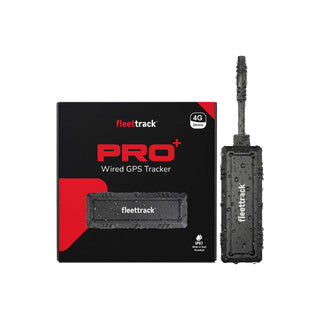
The best hidden GPS tracker for bike setups wire directly into the motorcycle's battery and tuck under the seat, behind the headlamp, or inside the tail fairing. A tracker a thief can find in ten seconds is a tracker a thief will rip out. Concealment is half the protection.
Backup battery and tamper alerts
A built-in backup battery keeps the tracker alive if the main wiring is cut — a common trick thieves use. Pair that with tamper and vibration alerts and you have a true anti-theft GPS for motorcycle system that shouts the moment someone touches your bike.
Remote engine cut-off (optional)
Some advanced trackers let you immobilise the bike remotely through the app, stopping the engine from restarting. It's a powerful deterrent, but always use it responsibly and never while the bike is in motion.
App quality and network coverage
A cheap device with a clunky app is useless in an emergency. Choose a tracker with a responsive Android/iOS app, reliable alerts, and a SIM that works on strong networks across your region.
What about battery life?
Trackers come in two broad types. Hardwired trackers draw power from the bike and use their internal battery only as a backup, so they run indefinitely while connected — ideal for daily riders. Standalone battery-powered trackers are easier to hide anywhere but need periodic recharging, typically every few days to a few weeks depending on how often they report. For most motorcycle owners, a hardwired tracker with a battery backup offers the best of both worlds.
Choosing the right tracker for your ride
Match the tracker to how you ride. A daily commuter or delivery rider benefits most from a hardwired real-time device with movement alerts. A weekend tourer might prefer a compact battery unit that's simple to move between bikes. Whatever you choose, prioritise concealment, reliable alerts, and an app you'll actually trust when it counts.
Protect your bike today
Don't wait until your motorcycle is gone to wish you'd tracked it. A quality GPS tracker costs a small fraction of your bike's value — and far less than the heartbreak of losing it.
Explore Fleettrack's range of GPS trackers built for Indian roads and riders. Browse GPS trackers at Fleettrack →
Frequently asked questions
Is it legal to put a GPS tracker on my own motorcycle?
Yes. Tracking a vehicle you own is completely legal in India. The legal grey area only appears when you track a vehicle or person without their consent — so a tracker on your own bike, or a family bike with the rider's knowledge, is perfectly fine.
Can a thief find and remove a hidden GPS tracker?
A determined thief can find anything given time, but a well-hidden, hardwired tracker with a backup battery makes that very hard. Even if the main power is cut, the backup battery keeps reporting the bike's location and sends a tamper alert — often long enough for recovery.
Do motorcycle GPS trackers need a monthly subscription?
It depends on the device. Many trackers use a SIM that needs a small recharge or plan to stay connected, while some models bundle data or offer no-monthly-fee options. Always check the ongoing cost before buying so there are no surprises.