



Hidden GPS Trackers for Cars: Legal & Effective
Share
Hidden GPS Trackers for Cars: Legal & Effective
A hidden GPS tracker for a car is one of the simplest, most affordable ways to protect your vehicle and know where it is at all times. Whether you are worried about theft, keeping an eye on a family car, or managing a small fleet, a discreetly placed tracker gives you live location updates without anyone knowing it is there. In this guide we explain how these devices work, whether they are legal in India, where to hide them, and how to choose one that actually delivers reliable results.
Why Choose a Hidden GPS Tracker for Your Car?
The whole point of concealment is that a would-be thief cannot find and disable the device. A visible tracker plugged into the dashboard is easy to unplug; a well-hidden one keeps transmitting even after a car is stolen, giving you and the police a real chance of recovery. Beyond theft protection, owners use hidden trackers to monitor a teenage driver, keep tabs on a car loaned to a driver or employee, and maintain a location history for insurance and dispute purposes.
Compared with the cost of a stolen vehicle, a tracker is inexpensive peace of mind. Most quality units in India range from roughly ₹2,000 to ₹6,000, with an optional SIM/data plan for real-time updates. That is a small price for round-the-clock visibility of an asset worth several lakhs.
Are Hidden GPS Trackers Legal in India?
Yes — installing a GPS tracker for car theft protection or fleet management on a vehicle you own is completely legal in India. As the registered owner, you are within your rights to track your own property, and you may track a company vehicle you own even when an employee is driving it, especially when you disclose the policy.
The legal grey area is tracking a vehicle you do not own or a person without their knowledge. Secretly placing a tracker on someone else's car — an ex-partner's, a neighbour's, or a private individual's — can amount to stalking or a violation of privacy. The rule of thumb is simple: track your own vehicles, and be transparent with adult drivers who use them. When used this way, a hidden tracker is both legal and ethical.
How Hidden GPS Trackers Work
A GPS tracker receives signals from satellites to calculate its exact position, then sends that location to your phone or a web dashboard over the mobile network. Because the reporting happens over cellular data, a real-time GPS tracker for a car can show you live movement, speed, and route history from anywhere. There are three common types worth knowing:
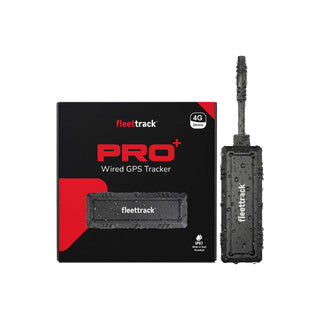
- Hardwired trackers — connected to the car's electrical system and tucked behind the dashboard. They never run out of battery and are almost impossible to spot, making them ideal for permanent theft protection.
- OBD trackers — plug into the OBD-II port under the steering column. They install in seconds and draw power from the car, though the port is a slightly more obvious place to check.
- Battery-powered magnetic trackers — a magnetic GPS tracker clamps onto any metal surface, such as under the chassis or inside a wheel arch. It needs no wiring and can be moved between vehicles, but you will need to recharge it periodically.
Best Places to Hide a GPS Tracker in a Car
Concealment works best when the device is out of casual sight but still able to receive a satellite signal. Popular spots include under the seats, inside the glovebox lining, behind the dashboard, in the boot near the spare wheel, or magnetically attached under the chassis. Avoid burying the unit deep inside solid metal, which can weaken the signal. For hardwired models, professional installation ensures the tracker is both invisible and reliably powered.
How to Choose the Right Hidden Tracker
Focus on a few practical factors. Look for genuine real-time updates rather than devices that only log location for later download. Check battery life if you choose a portable magnetic unit — anything from a week to several months depending on reporting frequency. Confirm there is a companion app with geofencing alerts, so you get a notification the moment your car leaves a set area. Finally, make sure the SIM and data plan suit Indian networks for consistent nationwide coverage.
Frequently Asked Questions
How can I find a hidden GPS tracker in my car?
Check common hiding spots first: under the seats, in the boot near the spare tyre, behind the dashboard, inside bumpers, and under the chassis with a torch and mirror. A battery-powered magnetic tracker is often found by feeling along metal surfaces underneath the car. If you suspect a wired device, inspect the OBD-II port and the area behind the dashboard, or have a mechanic scan the wiring.
Do hidden GPS trackers need a monthly subscription?
Real-time trackers use mobile data, so they need an active SIM, which usually means a small recurring plan. Some passive loggers store data locally with no monthly fee, but they cannot show live location. For theft protection, a real-time tracker with an affordable data plan is well worth it.
Will a hidden GPS tracker drain my car battery?
Hardwired and OBD trackers draw very little power and include low-voltage protection, so they will not drain a healthy battery under normal use. Battery-powered magnetic trackers are fully independent of your car and simply need recharging every so often.
Protect Your Car Today
A hidden GPS tracker is one of the smartest, most cost-effective upgrades you can make to any vehicle. Explore Fleettrack's range of GPS trackers to find a discreet, real-time device with reliable coverage across India — and get the peace of mind of always knowing where your car is.