



How to Start a GPS Tracking Business with White-Label Software
Share
Fleet operators, logistics firms, and farmers everywhere are switching from guesswork to live location data — and the companies supplying that data are building durable, high-margin businesses. If you want to start a GPS tracking business, you no longer need a team of engineers, years of R&D, or a warehouse of custom-built servers. With white-label GPS tracking software, you can launch a fully branded platform in weeks, sell subscriptions under your own name, and keep the recurring revenue for yourself. This guide walks through exactly how the model works and what to look for before you commit.
Why the GPS Tracking Business Is a Smart Bet
Demand for vehicle and asset tracking is structural, not a fad. Rising fuel costs, insurance requirements, driver-safety regulations, and thin logistics margins all push businesses to monitor their fleets. Every truck, bike, tractor, generator, or shipping container is a potential recurring subscriber. Because tracking is mission-critical once adopted, churn is low and customer lifetime value is high.
The catch has always been the technology. Building a platform that ingests data from thousands of GPS devices, plots them on a map in real time, sends alerts, and generates reports is expensive and slow. That's the problem white-label software solves — and why it's the fastest route into the market for resellers, distributors, and telecom or IoT partners.
What "White-Label GPS Tracking Software" Actually Means
A white-label GPS platform is a complete, proven fleet-tracking system that you rebrand as your own. The vendor builds and maintains the software — device integration, live maps, geofencing, alerts, reports, billing, and mobile apps — and you put your logo, colours, domain, and pricing on top. Your customers see your brand; they never know a third party powers the backend.
For a business owner, this flips the economics. Instead of spending 12–24 months and a large budget building a platform that may never match an established one, you license a mature product and go to market almost immediately. You focus on what actually grows the business — sales, support, and local relationships — while the vendor handles engineering, server uptime, and device compatibility.
How to Start a GPS Tracking Business: Step by Step
1. Choose your market and niche
Decide who you'll serve first. Long-haul logistics, school-bus operators, taxi and cab aggregators, construction-equipment rental, cold-chain transport, and agriculture fleets all have distinct needs. A focused niche lets you tailor your pitch and win reference customers faster than trying to sell to everyone at once.
2. Select a white-label GPS partner
This is the decision that determines your ceiling. Look for a platform that supports a wide range of GPS hardware (so you're never locked to one supplier), offers true branding control (your domain, your app on the app stores, your invoices), and scales on a multi-tenant architecture so you can add customers without adding cost. Confirm there's an API for integrations and that the vendor keeps the platform current with new features.
3. Source your hardware
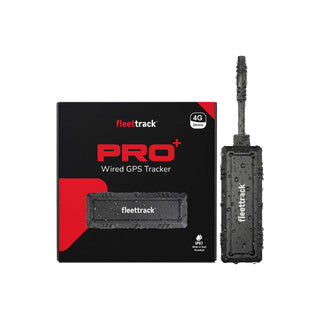
Most white-label platforms are hardware-agnostic and work with common OBD, hardwired, and asset trackers. You can buy devices in bulk and resell them, or let customers bring compatible units. Bundling hardware with a subscription is a proven way to lock in recurring revenue.
4. Set your pricing and packages
The strength of this business is the subscription. Charge a monthly or annual fee per tracked vehicle or asset, and layer in tiers — basic live tracking, advanced analytics, driver-behaviour scoring, or dashcam add-ons. Because your software cost is largely fixed, every new subscriber drops mostly to your margin.
5. Brand, launch, and sell
Apply your identity, publish your app, and start selling. Your go-to-market can combine direct outreach to fleet owners, a reseller or sub-dealer network, and partnerships with insurers, vehicle dealers, or SIM/telecom providers who already reach your buyers.
The Recurring-Revenue Advantage
The reason serious operators love this model is the maths. A one-time hardware sale earns you once. A subscription earns you every month, for years, from the same customer — and it compounds as you add accounts. Two hundred vehicles at a modest monthly fee is a predictable, bankable revenue stream that grows while your fixed platform cost stays flat. That's the difference between running a reselling side-hustle and building an asset with real enterprise value.
White-label software also shortens your time-to-market dramatically. Time you would have burned on development becomes time spent signing customers — and in a competitive category, being live first in your region is a lasting advantage.
What to Watch Out For
Not every "white-label" offer is equal. Before you sign, verify that the branding is genuinely complete (some vendors leave their name in the mobile app or emails), that pricing scales sensibly as you grow rather than punishing success, and that support is responsive — because when a customer's fleet goes dark, they call you. Ask about data ownership, uptime guarantees, and how new features reach your platform. A strong partner grows with you; a weak one caps your business.
Frequently Asked Questions
How much does it cost to start a GPS tracking business with white-label software?
Far less than building your own platform. Instead of a large upfront development budget, you pay a licensing or per-device fee to the white-label vendor and invest in hardware and marketing. Most partners can launch for a fraction of a custom build and reach profitability quickly because the recurring subscriptions cover ongoing costs.
Do I need technical skills to run a GPS tracking business?
No. The vendor handles all engineering, servers, and device integration. Your job is sales, onboarding, and customer support — all of which are business skills, not coding skills. A good white-label partner also trains your team and provides documentation so you can operate confidently from day one.
How is white-label different from being a reseller?
A reseller sells another company's branded product and earns a margin. With white-label software, the platform carries your brand end to end — your name, app, and customer relationship — so you build equity in your own business and control pricing and positioning, rather than promoting someone else's name.
Ready to Launch Your Own GPS Brand?
You don't need to build the technology — you need the right partner behind it. Fleettrack's white-label GPS tracking platform gives you a fully branded, multi-tenant system with the hardware support, APIs, and recurring-revenue model to launch fast and scale.
👉 Explore Fleettrack's White-Label GPS Software to see how partners launch their own tracking brand.
📅 Book a free fleet-management demo and we'll walk you through the platform and the partner model step by step.